What Is a Structural Assessment?
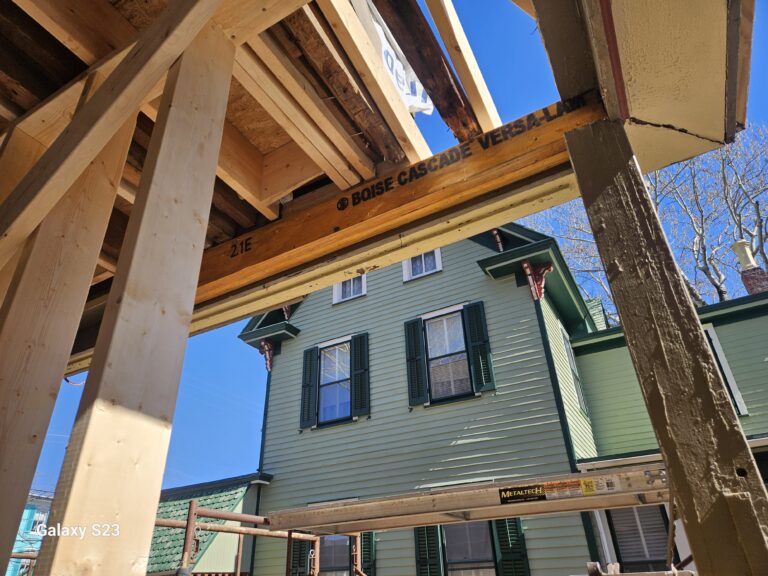
A structural assessment is a detailed evaluation of a building’s core components, including the foundation, framing, load-bearing walls, beams, and overall stability. Unlike a standard home inspection, a structural assessment focuses specifically on elements that affect the strength and safety of the structure.
At Kingdom Construction, our structural assessments are designed to identify existing problems, early warning signs, and potential risks—before they become costly repairs.
Why Structural Assessments Matter in Cape May
Cape May’s coastal environment places constant stress on homes. Factors such as:
Salt-laden air accelerating metal corrosion
High moisture levels leading to wood rot and mold
Sandy soil causing foundation settling
Storm surge and high winds impacting framing
These conditions make a structural assessment Cape May homeowners schedule especially important, even if no visible damage is present.
When Should You Schedule a Structural Assessment?
Many homeowners wait until there’s a major issue—but proactive assessments can save thousands of dollars. You should consider a structural assessment if:
You’re buying or selling a home
Your home is over 20 years old
You notice cracks in walls or ceilings
Doors or windows stick or won’t close properly
Floors feel uneven or sloped
You’re planning a renovation or addition
Early detection allows repairs to be simpler, faster, and more affordable.
The Role of Structural Assessments in Renovations
Before starting any remodeling project, especially in older Cape May homes, a structural assessment ensures your home can safely support new layouts, heavier materials, or added square footage.
At Kingdom Construction, we integrate structural assessments into our renovation planning process to ensure compliance with local building codes and long-term durability.
Protecting Your Investment
Your home is one of your largest investments. A professional structural assessment Cape May residents rely on provides peace of mind by confirming your home’s safety and stability. It also strengthens resale value and helps avoid unexpected issues during real estate transactions.