What Are Interior Finishings?
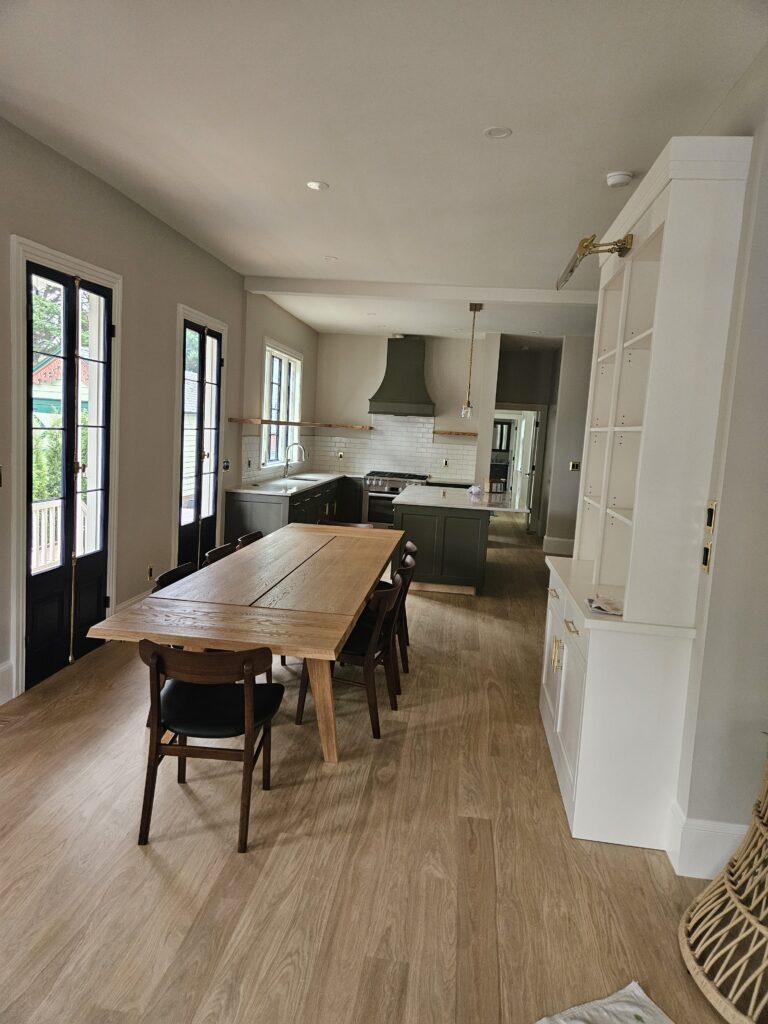
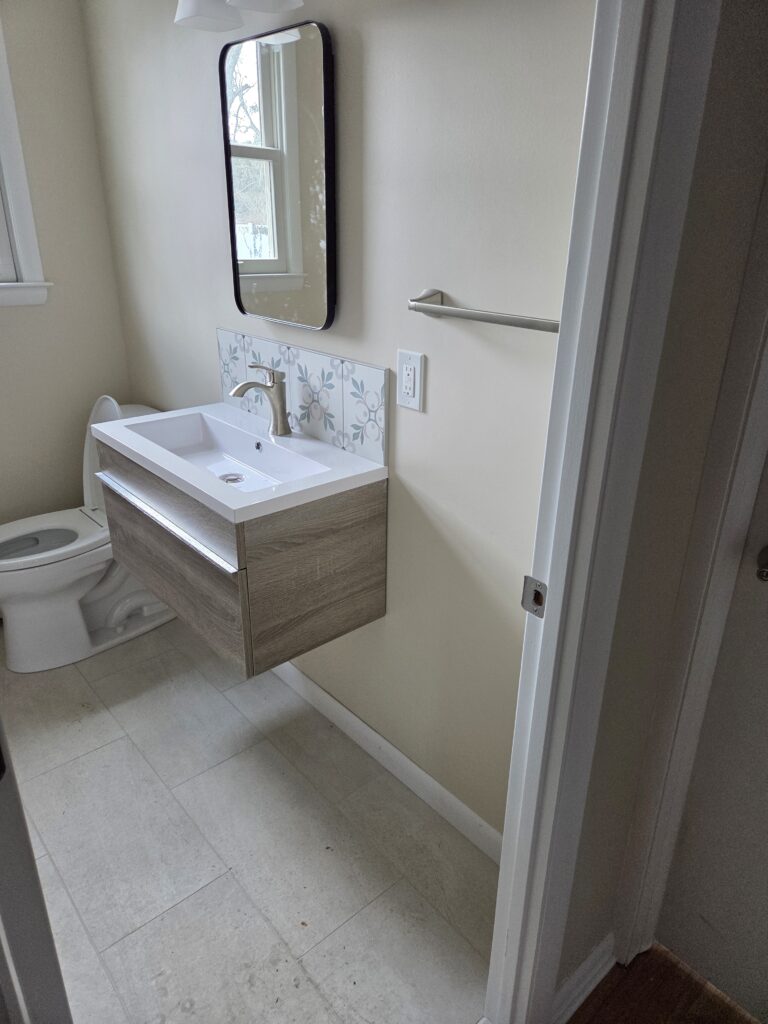
Interior finishings are the visible surfaces and materials inside your home. They include:
Flooring (hardwood, tile, luxury vinyl, carpet)
Wall finishes (paint, wallpaper, shiplap, tile)
Trim and molding (baseboards, crown molding, window casings)
Cabinetry and countertops
Interior doors and hardware
Lighting and plumbing fixtures
These elements work together to create a cohesive interior design while also affecting maintenance and durability.
Step 1: Define Your Style and Vision
Before choosing materials, decide on the overall look you want. Are you drawn to modern minimalism, coastal charm, farmhouse warmth, or traditional elegance?
Creating a mood board or saving inspiration photos helps clarify your preferences. A consistent design vision makes it easier to select finishings that complement one another instead of competing for attention.
Step 2: Consider Function and Lifestyle
Your lifestyle should guide your interior finishings choices. Ask yourself:
Do you have kids or pets that require durable, easy-to-clean surfaces?
Are you renovating a high-traffic area like a kitchen or entryway?
Will this be a primary residence, vacation home, or rental property?
For example, scratch-resistant flooring and washable paint finishes are ideal for busy households, while statement lighting or custom trim can elevate less-used spaces.
Step 3: Balance Quality and Budget
Not all finishings need to be top-of-the-line. A smart strategy is to invest where it matters most:
Spend more on items that see daily use, like flooring and cabinets
Save on easily replaceable features like light fixtures or hardware
This interior finishings guide approach ensures you maximize value without overspending.
Step 4: Choose Materials That Match Your Environment
Climate plays a major role in how interior materials perform. In coastal areas like Cape May, humidity and salt air can affect certain finishes. Moisture-resistant flooring, durable paints, and corrosion-resistant hardware are smart choices that protect your investment over time.
Step 5: Pay Attention to Color and Lighting
Color and lighting dramatically affect how interior finishings appear. Natural and artificial light can change the tone of paint, flooring, and countertops.
Tips to keep in mind:
Test paint samples in different lighting conditions
Use lighter finishes to make small spaces feel larger
Mix textures to add depth without overwhelming the room
Step 6: Work With an Experienced Contractor
Selecting interior finishings can feel overwhelming—but you don’t have to do it alone. A knowledgeable contractor helps you:
Coordinate materials for a cohesive design
Avoid costly mistakes or incompatible products
Ensure proper installation for long-lasting results
Professional guidance turns this interior finishings guide into a smooth, stress-free process.