What Is a Home Inspection?
A home inspection is a comprehensive, visual evaluation of a property’s structure, systems, and overall condition. Conducted by a licensed inspector, it provides an unbiased assessment of potential issues that may affect safety, value, or future maintenance costs.
In coastal communities, a home inspection Cape May often pays special attention to weather exposure, moisture intrusion, and material durability due to salt air and humidity.
Areas Inspected During a Home Inspection
A standard home inspection typically covers the following key components:
Structural Elements
Inspectors examine the foundation, framing, floors, walls, ceilings, and roof structure. They look for cracks, settling, rot, or signs of water damage—issues that can be more common in coastal environments.
Roofing and Exterior
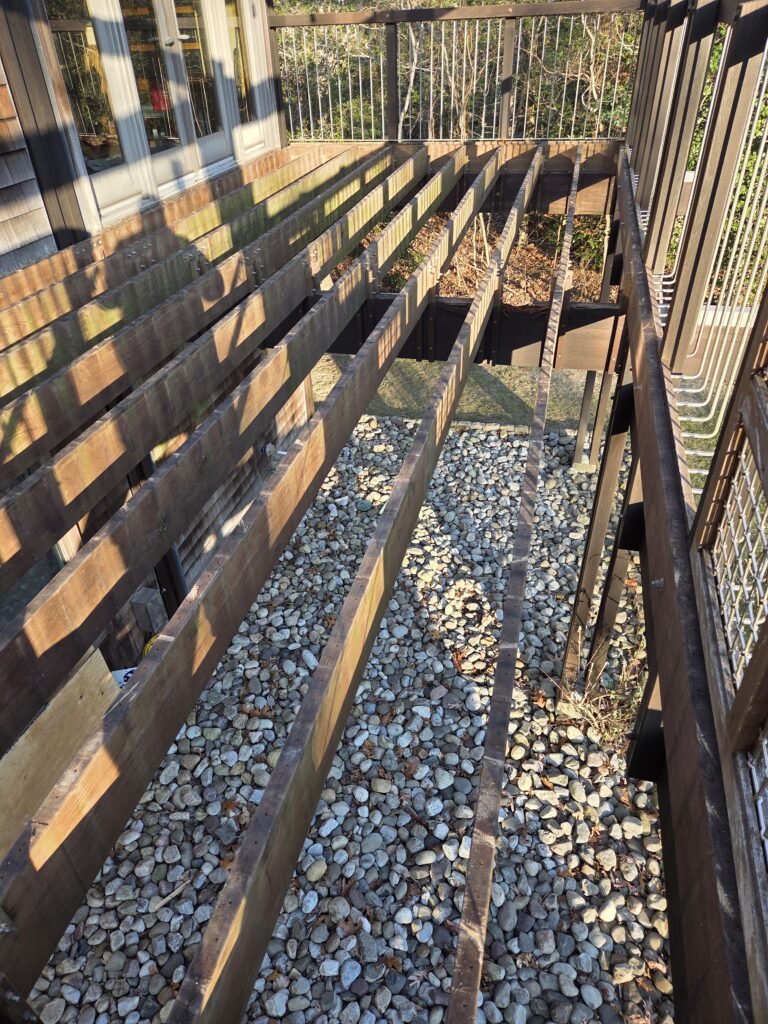
The roof, siding, windows, doors, decks, and drainage systems are closely reviewed. In Cape May, inspectors often check for wind damage, corrosion, and improper flashing that can lead to leaks.
Electrical System
This includes the main service panel, wiring, outlets, switches, and grounding. The goal is to identify outdated wiring, safety hazards, or code concerns.
Plumbing System
Inspectors assess water supply lines, drains, water heaters, fixtures, and visible piping. Leaks, corrosion, and water pressure issues are common findings during a home inspection Cape May, particularly in older homes.
HVAC Systems
Heating, ventilation, and air conditioning systems are tested for basic operation. Inspectors check for proper installation, ventilation, and signs of wear.
Interior Features
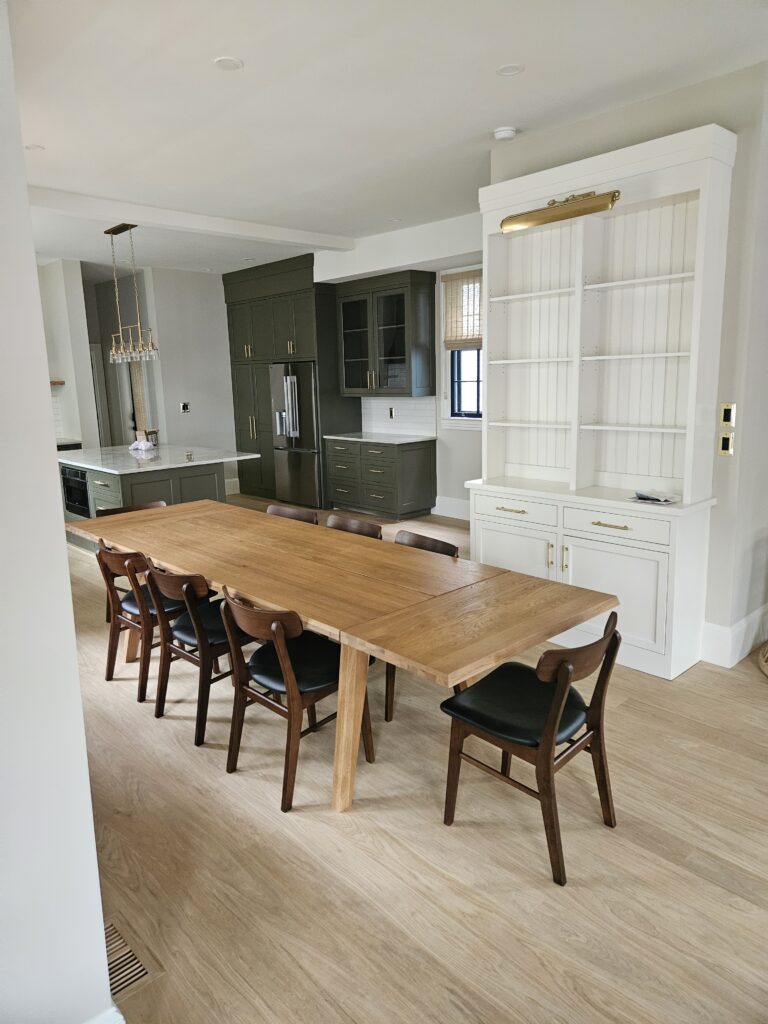
Doors, windows, stairs, railings, and built-in appliances are evaluated to ensure they function properly and meet safety standards.
Insulation and Ventilation
Proper insulation and airflow are essential for energy efficiency and moisture control—both critical factors in coastal homes.
What a Home Inspection Does Not Cover
It’s important to understand that a home inspection is non-invasive. Inspectors do not open walls, dig into foundations, or test for every possible issue. Specialized inspections (such as mold, radon, or sewer scopes) may be recommended based on the initial findings.
What Happens After the Inspection?
After the inspection, you’ll receive a detailed written report outlining:
For buyers, this report can be used to negotiate repairs or pricing. For homeowners, it’s a valuable roadmap for future improvements.
Why Home Inspections Matter in Cape May
Coastal homes face unique challenges, including salt air corrosion, moisture exposure, and storm impact. A thorough home inspection Cape May helps identify problems early, protects your investment, and ensures your home is safe and structurally sound.